
About Saint Kitts and Nevis
The Federation of Saint Kitts and Nevis is the smallest sovereign state in the Western Hemisphere, in both area and population, yet its history and character are far larger than its size.
Known for its volcanic landscapes, lush rainforest, rich heritage and warm hospitality, the Federation is made up of two islands separated by a narrow channel, about two miles wide, called The Narrows. Together they form one nation, grounded in heritage, resilience and a shared Caribbean identity, and independent since 19 September 1983.
The Federation at a glance
| Capital cities | Basseterre, capital of the Federation (Saint Kitts) Charlestown, capital of Nevis |
|---|---|
| Population | Approximately 55,000 |
| Area | 261 square kilometres (101 square miles) |
| Parishes | Fourteen: nine on Saint Kitts and five on Nevis |
| Language | English is the official language. You will also hear a lively local Creole spoken in everyday conversation. |
| Currency | The Eastern Caribbean Dollar (EC$; international code XCD) is the official currency of Saint Kitts and Nevis and of the other member states of the Eastern Caribbean Currency Union. It is pegged to the United States Dollar at a fixed rate of US$1 to EC$2.70. The Eastern Caribbean Central Bank (ECCB), headquartered in Basseterre, is the monetary authority and issues the coinage and banknotes. |
| Religion | Freedom of conscience and religion is guaranteed by the Constitution and respected in practice. Christianity is the predominant faith. |
| Government | A federal parliamentary democracy under a constitutional monarchy, within the Commonwealth. His Majesty King Charles III is Head of State, represented by the Governor-General. Nevis has its own Island Administration. |
| Independence | 19 September 1983 |
| National motto | Country Above Self |
| Time zone | Atlantic Standard Time (UTC−4), all year round |
| Driving | On the left |
National symbols
National symbols represent the identity, history, values and natural heritage of a country. They help us recognise our nation at home and abroad, preserve stories of struggle, freedom and nationhood, and remind Kittitians and Nevisians that we belong to one nation.
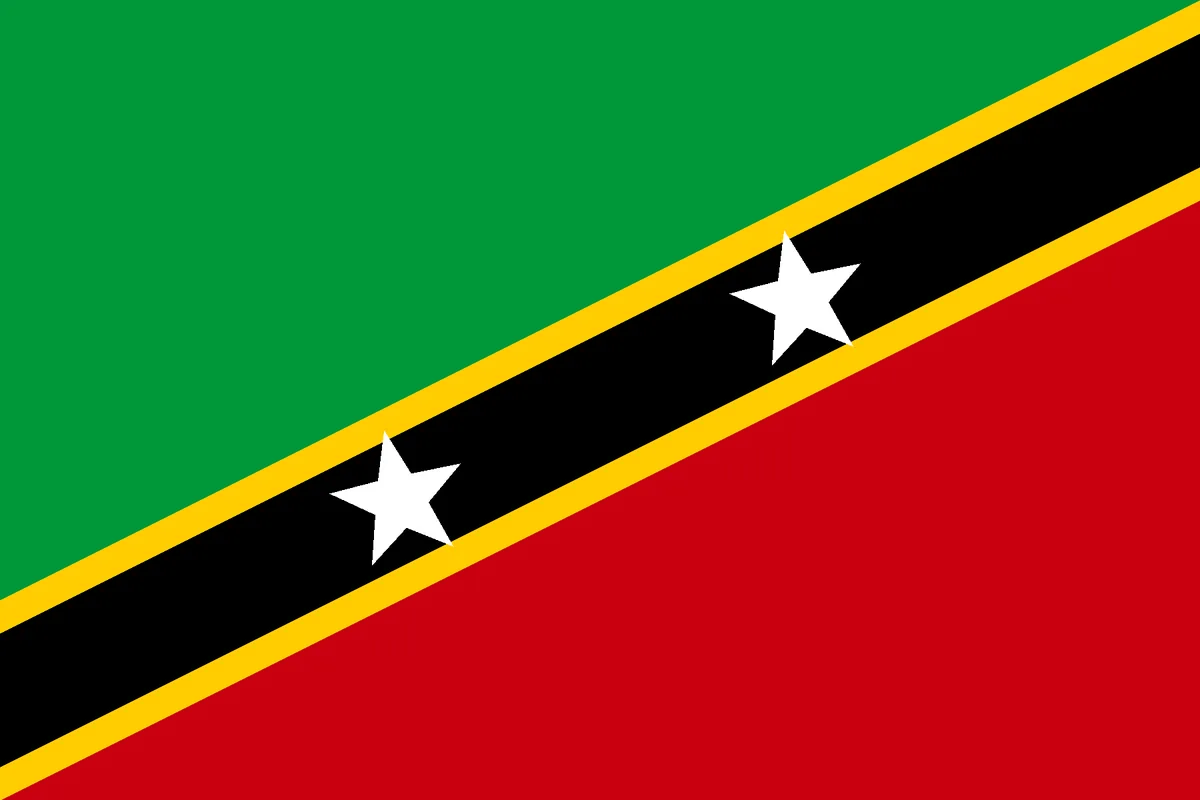
The National Flag
Green, red, black and yellow, with two white stars
- Green: our fertile lands
- Red: the blood, sweat and tears from slavery through colonialism to independence
- Black: our African heritage
- Yellow: our year-round sunshine
- White stars: hope and liberty
Designed by Edrice Lewis (Viechweg) and adopted at Independence in 1983. The flag must never touch the ground, and the green is always at the top, the red at the bottom.
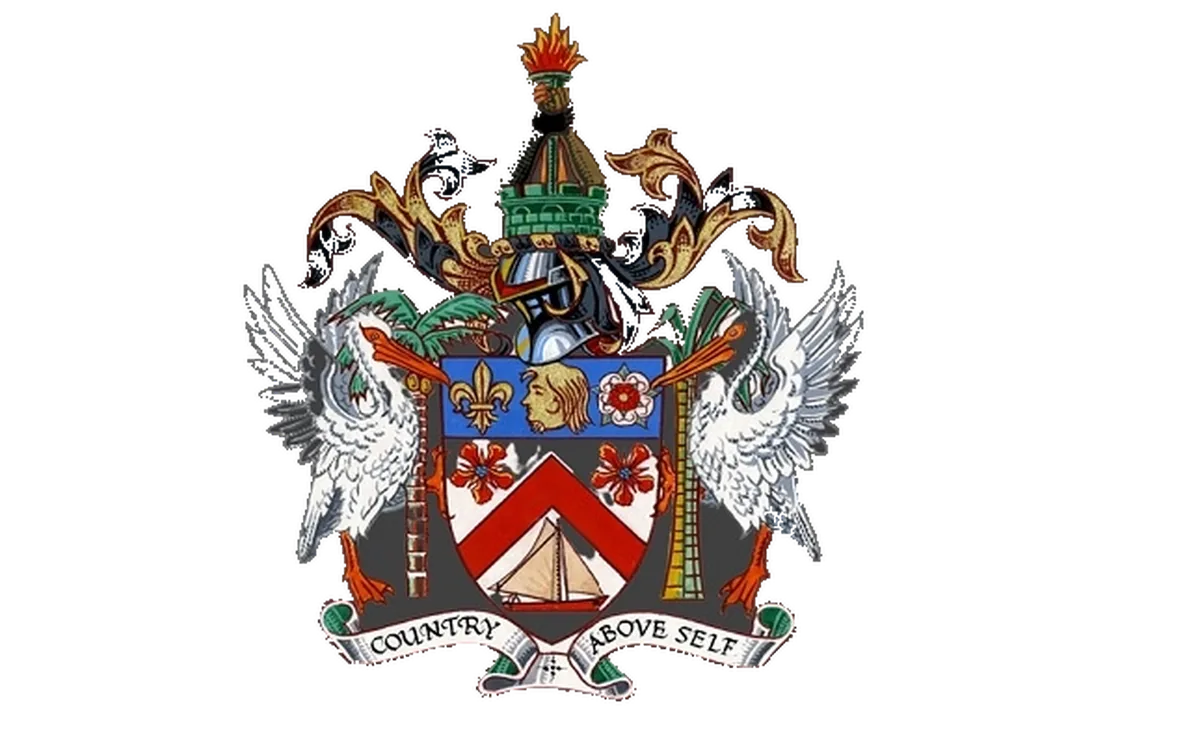
The Coat of Arms
Country Above Self
The shield. A traditional sailing lighter recalls the islands’ maritime history. The red chevron stands for the volcanic geography of the twin-island nation and carries two Poinciana flowers, the national flower. Above it, on blue, the head of a Carib (Kalinago) honours the islands’ first inhabitants, flanked by a fleur-de-lis and a rose for the early French and British colonial influences.
Helmet and crest. Tower battlements recall the forts built across the islands, such as Brimstone Hill. From them rises a flaming torch held up by three arms, of an African, a European and a person of mixed descent: a shared quest for freedom among people of diverse origins.
Supporters and motto. Two brown pelicans, the national bird, hold up the shield beside a sugar cane plant and a coconut palm, for the fertility of the land. The ribbon below carries the national motto, “Country Above Self.”
The National Anthem
“O Land of Beauty!”
Our anthem expresses love for country and calls the people of Saint Kitts and Nevis to stand together in peace, justice, liberty, wisdom, truth and faith.
Written and composed by Kenrick Georges and adopted at Independence in 1983.
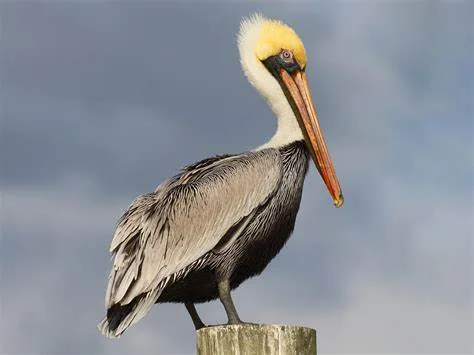
The National Bird
Brown Pelican
Pelecanus occidentalis, known locally as the booby. Often seen gliding above the sea or resting near the shoreline, it feeds mainly on fish near the surface, alone or in small flocks. Its rich brown plumage and white crown make it easy to recognise along our coasts.
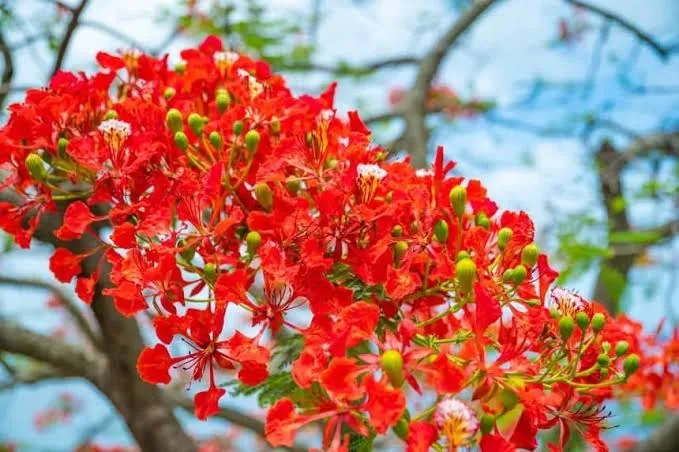
The National Flower
Poinciana or Flamboyant
Delonix regia, a tropical tree with an umbrella-shaped crown and brilliant red-and-yellow scalloped flowers. It takes its name from M. de Poincy, the first French Governor of St. Kitts (1639–1660), who is said to have introduced it. Locally it is also the Shack-Shack Tree, because the dry seed pods are used as musical instruments, and the Cock and Hen Tree, a folklore name from traditional children’s games.
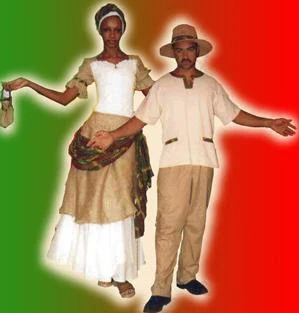
Official National Wear
African and European influences
Women: off-white cotton corset dress with puffed sleeves, crocus lap skirt and bag, madras Cane Soda Wrap and head wrap. Men: straw hat with madras, off-white V-neck jack shirt with madras trim and beige ankle-length trousers.
Designed by Dr Joylette Woodley Fassale, Vaughn Woodley, Grace Woodley and Dwyane Weekes of Sandy Point, and adopted on 1 September 2003.
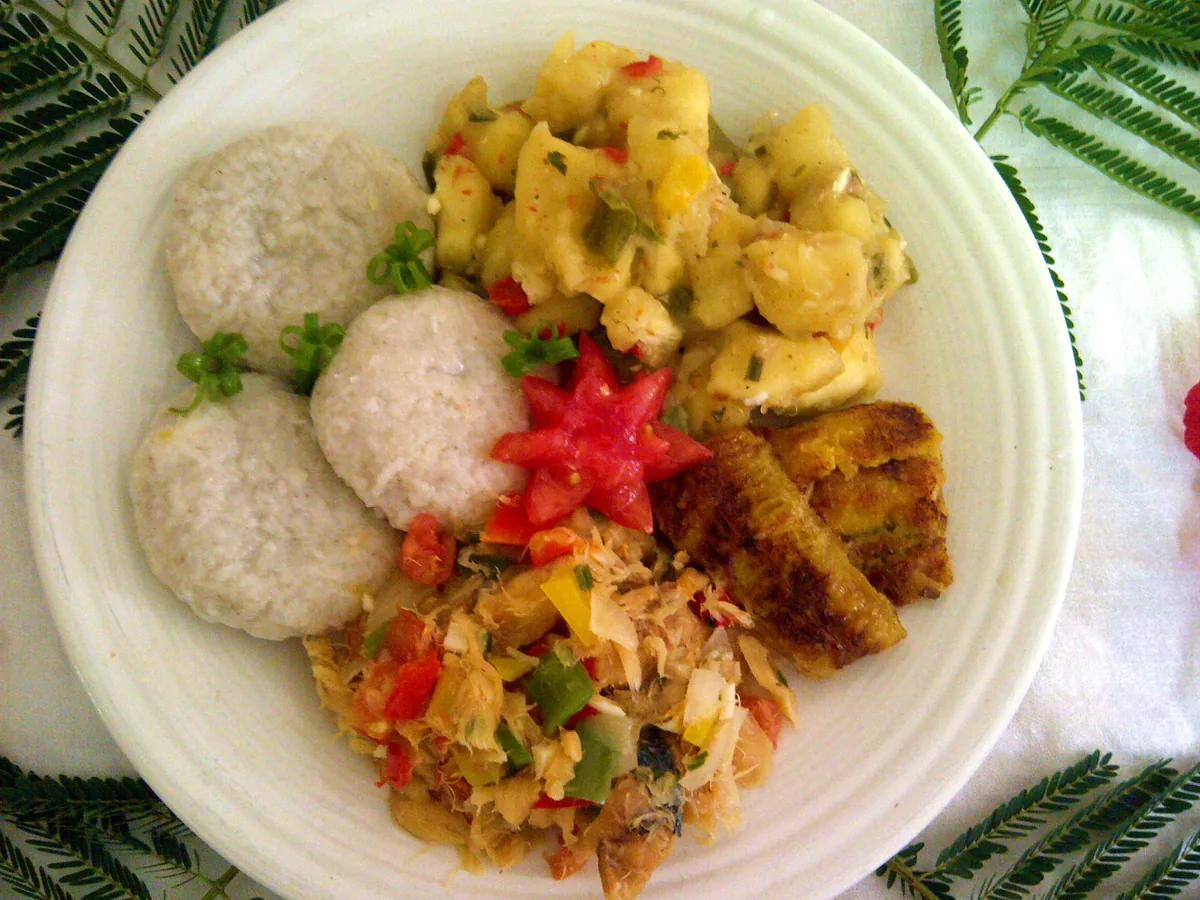
The National Dish
Stewed saltfish, spicy plantains, seasoned breadfruit and coconut dumplings
Four complementary preparations come together in one meal, pairing preserved fish with familiar Caribbean staples and seasonings.
Created by Jacqueline Ryan and adopted on 1 September 2003.
Our fourteen parishes
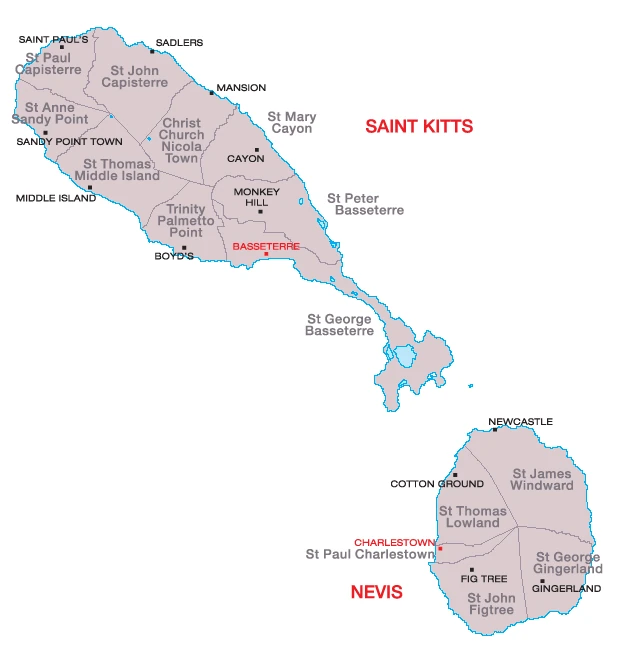
Saint Kitts
- Saint Paul
- Saint Anne
- Saint John
- Saint Thomas
- Christ Church
- Trinity
- Saint Mary
- Saint George
- Saint Peter
Nevis
- Saint James
- Saint Thomas
- Saint Paul
- Saint John
- Saint George
The Narrows. The channel separating Saint Kitts and Nevis is about 3 kilometres wide at its narrowest point. Together, the parishes form the Federation of Saint Christopher and Nevis.
National Heroes
The Order of National Hero is the highest honour bestowed by Saint Kitts and Nevis. Five nation builders have received this distinction for exceptional service to the Federation.
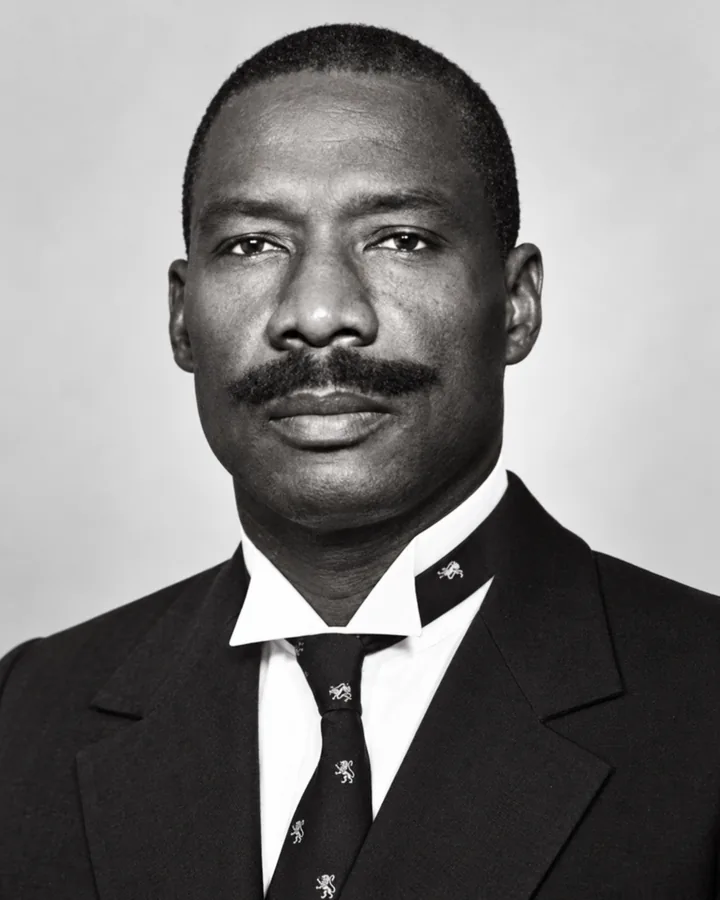
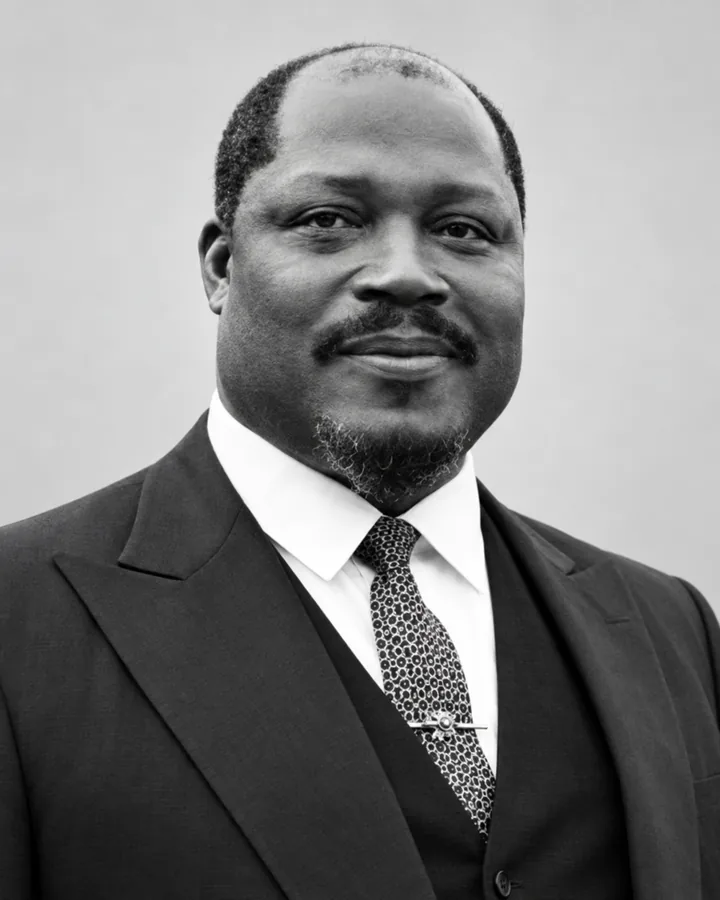
1916–1978
The Right Excellent Sir Robert Llewellyn Bradshaw
Labour leader · Chief Minister · First Premier
Born in St Paul’s, Sir Robert Bradshaw rose from the sugar industry to become a powerful labour leader and political figure. As Chief Minister and later first Premier of St Kitts-Nevis-Anguilla, he championed workers’ rights, self-government and the push toward independence.
Legacy The Federation’s first National Hero, widely honoured as the “Father of Independence.”
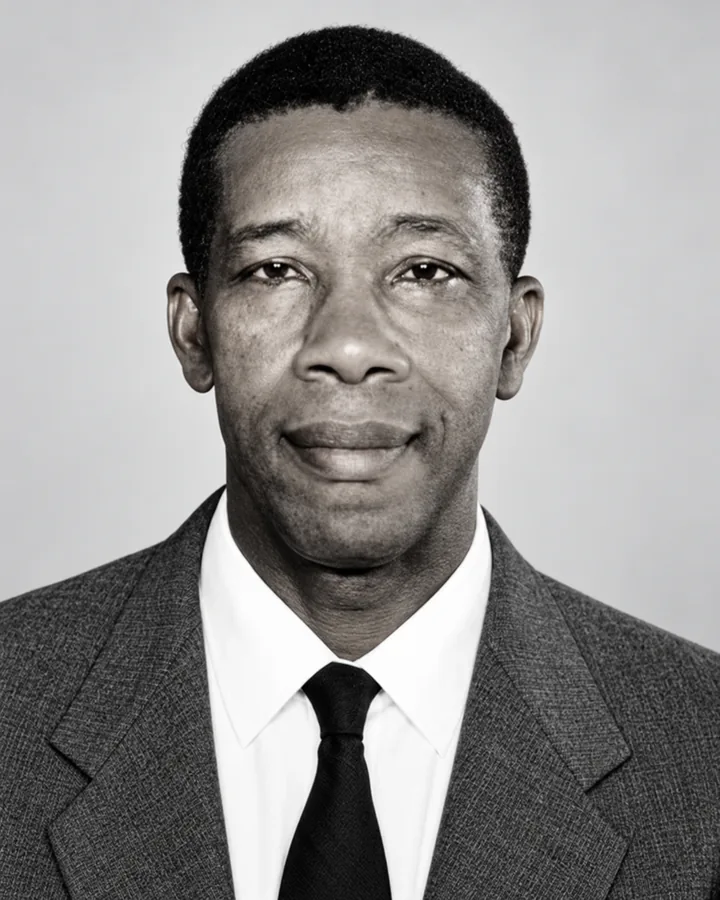
1913–1979
The Right Excellent Sir Caleb Azariah Paul Southwell
Trade unionist · Chief Minister · Premier
Sir Caleb Southwell was a major trade union and political leader who advocated for workers and helped secure better wages during the 1965 sugar dispute. He is also remembered for encouraging economic diversification beyond sugar.
Legacy His public service linked labour advocacy with the economic development of a changing nation.
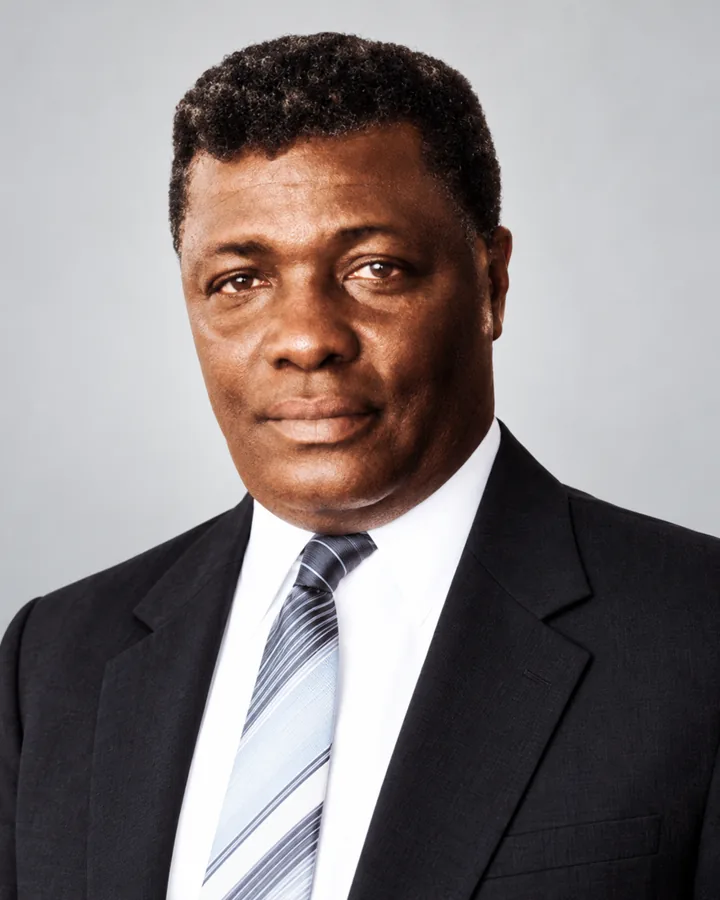
1907–1997
The Right Excellent Sir Joseph Nathaniel France, KCMG
Trade unionist · Legislator · Social advocate
Sir Joseph France served in the National Assembly for decades and became known for steadfast service to workers and the vulnerable, especially through his contribution to social welfare, healthcare and public service.
Legacy The Joseph N. France General Hospital bears his name in recognition of his service to the people of the Federation.
1934–2012
Dr. The Right Excellent Sir Simeon Daniel
Lawyer · First Premier of Nevis
Sir Simeon Daniel, lawyer and first Premier of Nevis, played a central role in Nevisian leadership and development. He advanced self-determination and strengthened Nevis’s place within the Federation.
Legacy The Federation’s fourth National Hero, honoured posthumously in 2013.
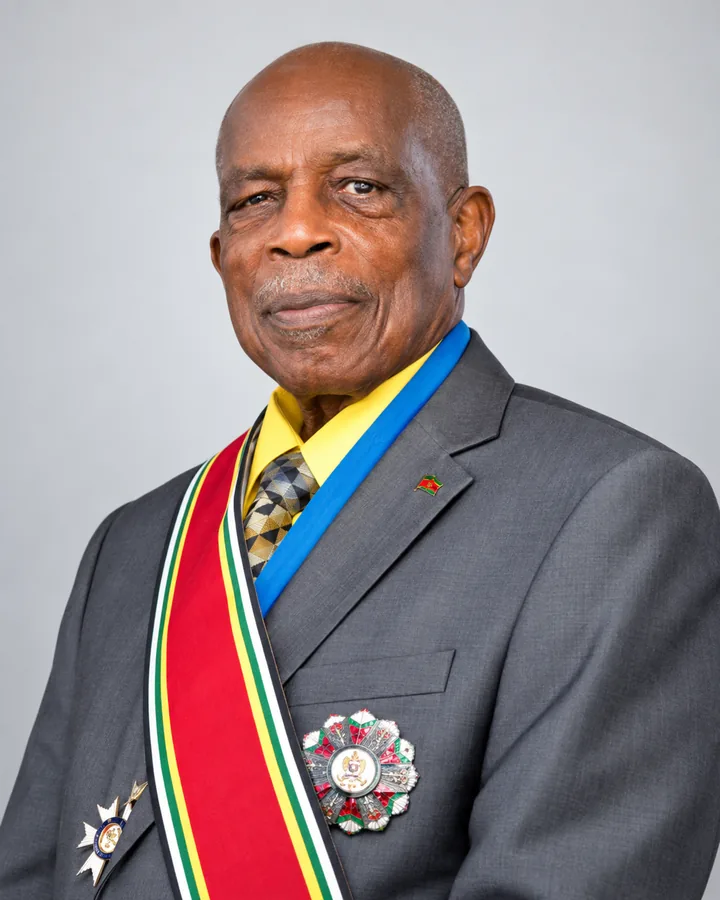
Born 12 April 1936
Dr. The Right Excellent and Right Honourable Sir Kennedy Alphonse Simmonds
Physician · First Prime Minister of Saint Kitts and Nevis
Dr Sir Kennedy Simmonds, a physician by profession, became Premier in 1980 and the Federation’s first Prime Minister at Independence in 1983. His leadership helped guide the nation through its early sovereign years.
Legacy The Order of National Hero was bestowed on him in 2015. He is the Federation’s only living National Hero.
National Heroes Day, 16 September. First observed in 1998 and held on the birthday of Sir Robert Llewellyn Bradshaw, the day honours the lives and legacies of the Federation’s National Heroes and invites each generation to carry forward their spirit of service, courage and nation-building.
Exploring the Federation
Delegates are warmly encouraged to step beyond the Summit venue and experience the heritage and natural beauty of the Federation. From a UNESCO World Heritage fortress to historic estates, hot springs and the birthplace of an American Founding Father, the places below tell centuries of Caribbean history, culture and resilience, and of Caribbean pride.
Saint Kitts
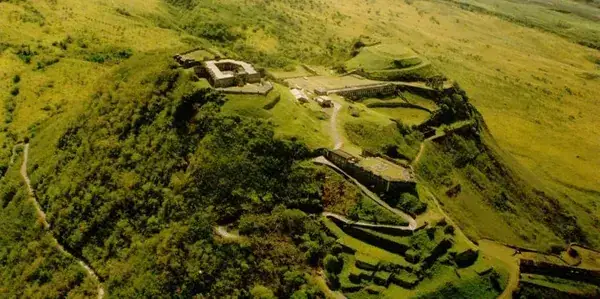
Brimstone Hill Fortress National Park
UNESCO World Heritage Site, Sandy Point
One of the best-preserved 17th- and 18th-century fortifications in the Americas, inscribed on the UNESCO World Heritage List in 1999, with sweeping views across the Caribbean Sea to neighbouring islands.
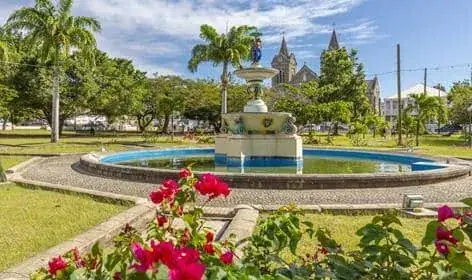
Independence Square
Basseterre
A green space at the heart of the capital, formerly Pall Mall Square, renamed on 19 September 1983 to mark the birth of the new nation.
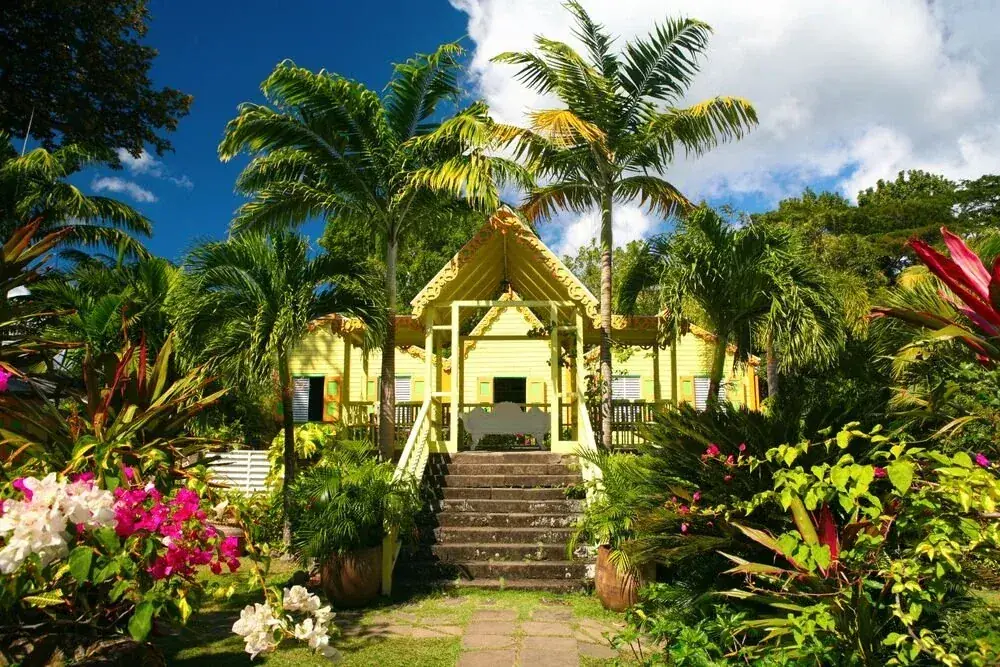
Romney Manor and Caribelle Batik
Old Road
Historic estate gardens beneath a towering saman tree, home to Caribelle Batik, where visitors can see the traditional wax-resist art of batik being made.
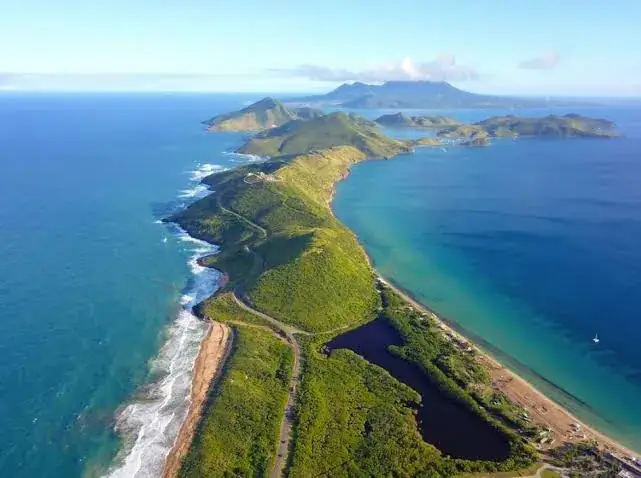
The Southeast Peninsula
Saint Kitts
Rolling hills, quiet beaches and sweeping views across The Narrows to Nevis.
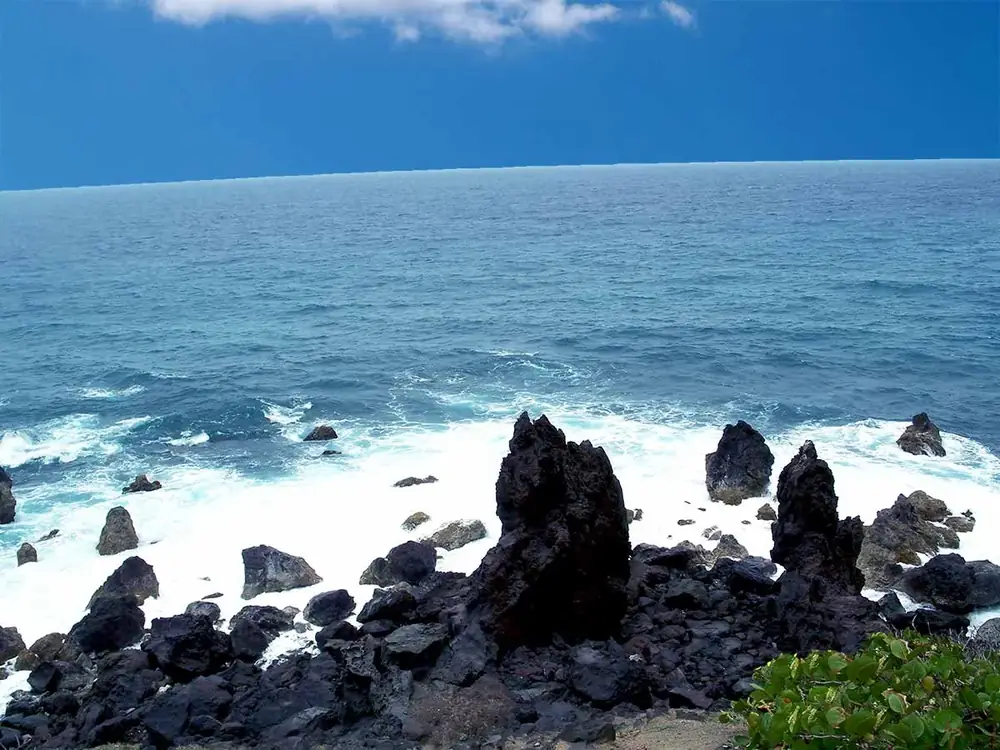
Black Rocks
North-east coast
Sometimes called the “black sea”, these rocks were formed by lava flowing into the Atlantic from an eruption of Mount Liamuiga. An eruption is reported in 1692, but the rocks are believed to be thousands of years older. Wind and waves have carved them into striking, unusual shapes, and natural pools let you climb down to enjoy the sound and spray of the ocean crashing against the rocks. Take care on wet rocks.
Nevis
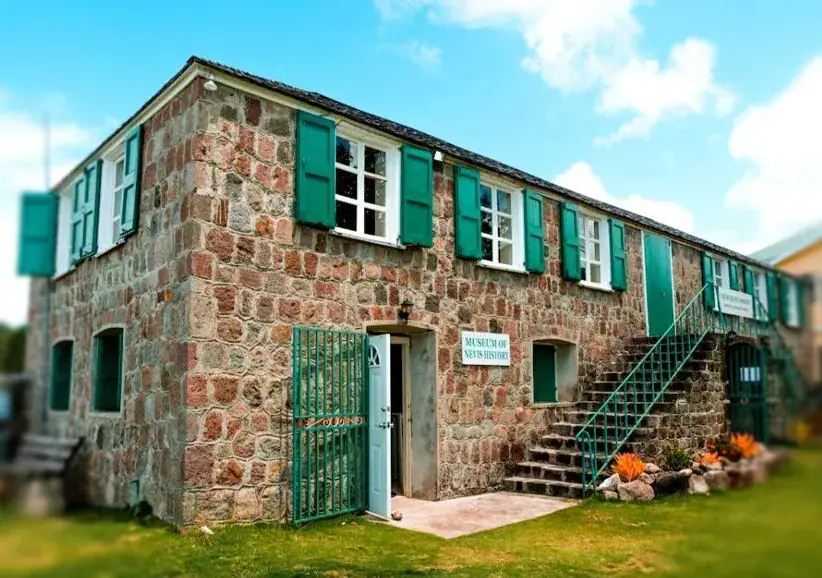
Hamilton House
Birthplace of Alexander Hamilton, Charlestown
Alexander Hamilton was born on Nevis and went on to become a Founding Father of the United States and its first Treasury Secretary. The building also houses the Museum of Nevis History.
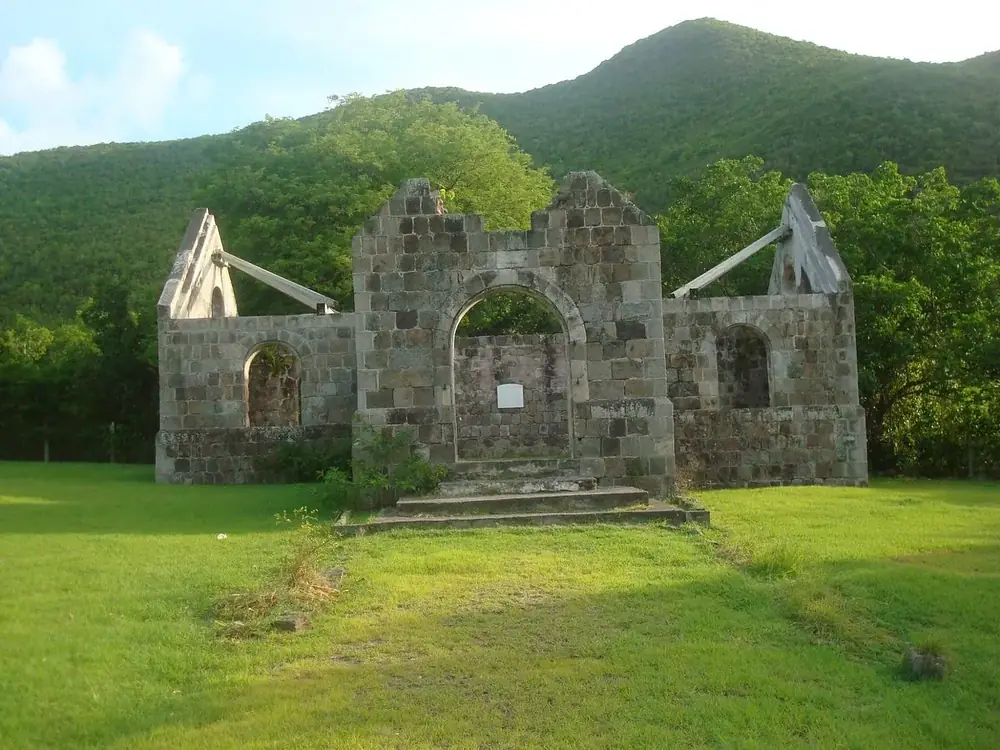
Cottle Church
Round Hill
The ruins of a church built in 1824, remembered as the first on Nevis where enslaved and free people worshipped together.
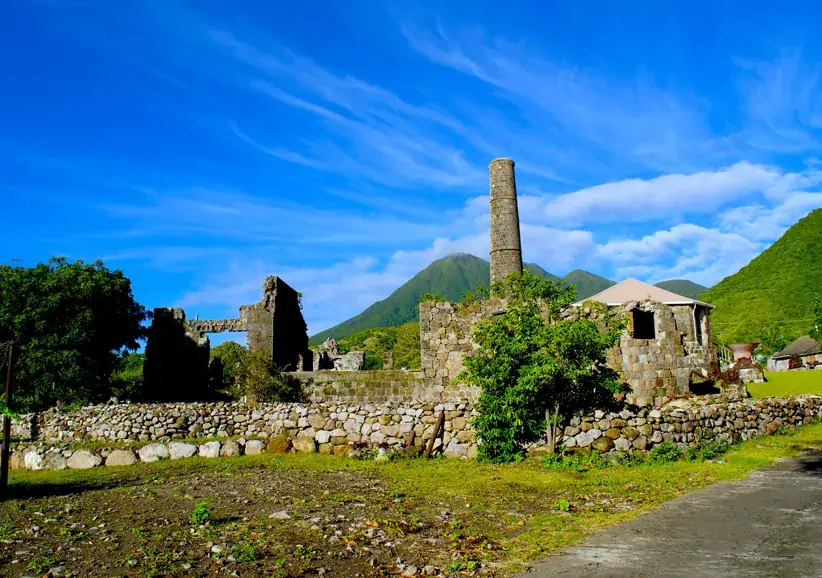
New River Estate
Manning
The ruins of a historic sugar estate whose mill was the last on Nevis to close, in 1958, set against views towards Montserrat.
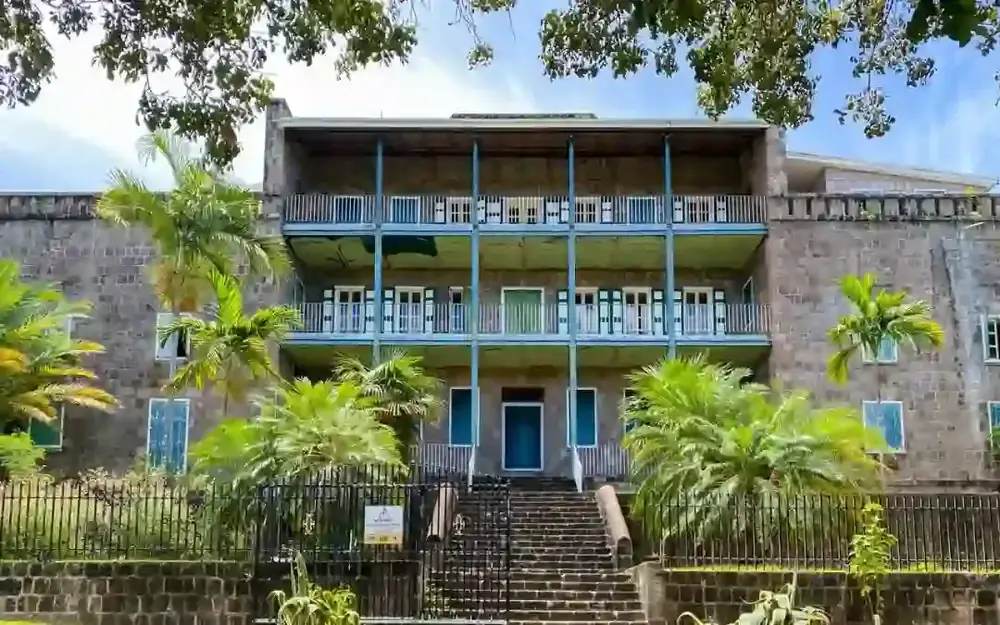
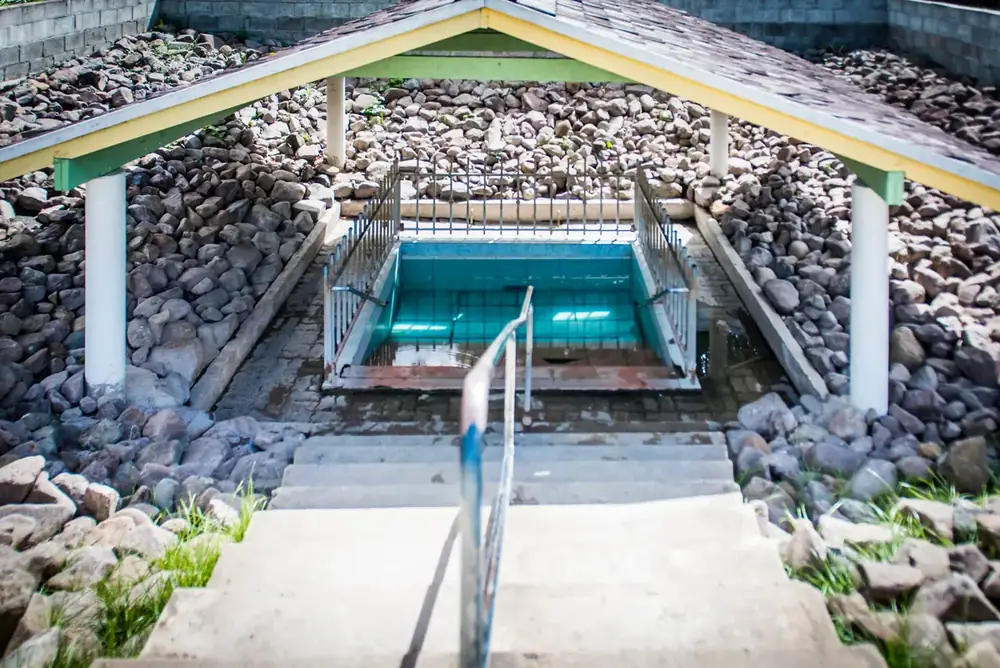
Bath Hotel and Hot Springs
Charlestown
One of the oldest hotels in the Caribbean, built in the 18th century beside naturally heated springs and still a landmark of Charlestown.
Welcome to Saint Kitts and Nevis. Whatever you choose to see, you will find that the Federation’s greatest treasure is its people.
National symbols, parishes and National Heroes: Department of Cultural Heritage, Government of St Kitts and Nevis, The National Symbols and Heroes of St Kitts and Nevis (First Edition, 2026), with reference material from the Government of St Kitts and Nevis and SKNIS.